Water sports are a powerful way to build fitness, confidence, and mental resilience—especially disciplines like canoe polo, SUP, and wakeboarding that demand coordination and quick decision-making. After intense training sessions, many athletes also enjoy relaxing with lighter digital entertainment, and platforms such as Fugu Casino slots reflect how modern leisure can fit into short breaks and downtime without requiring a full outing or complicated planning.
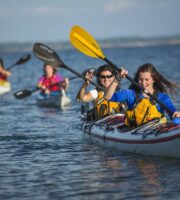
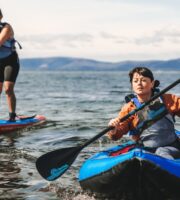
Canoe polo, in particular, is a sport that challenges both the body and the brain. Players must control a fast, maneuverable kayak while handling a ball, tracking opponents, and coordinating with teammates. Matches move quickly, and possession can change in a moment. That tempo builds a strong competitive mindset: athletes learn to recover from mistakes immediately, refocus under pressure, and make decisions with limited time. Those skills aren’t just “sports skills”—they’re life skills that translate into work, study, and everyday problem-solving.
Training for water sports often follows a pattern: technique, conditioning, then tactical work. Technique training might focus on turns, acceleration, and stability. Conditioning supports repeated bursts of effort, because many paddling sports include sprint-like moments followed by brief recovery periods. Tactical work trains the mind: spacing, timing, defensive structures, and coordinated movement. The most successful athletes tend to be the ones who treat training as skill-building rather than pure exertion.
Because water sports are physically demanding, recovery is not optional—it’s part of performance. That means sleep, hydration, mobility work, and smart scheduling. It also means mental recovery. When athletes only push and never relax, motivation drops and injuries become more likely. Healthy leisure helps reset the brain. Some people prefer quiet options like reading or movies; others prefer interactive entertainment that keeps the mind engaged without requiring physical effort.
That’s one reason digital entertainment has become so common in modern routines: it’s flexible. After a long session on the water—especially in sports that require constant focus—many athletes want an easy way to unwind. Interactive entertainment can provide that “switch” from training intensity to relaxed engagement. The important part is intentionality: treating it as a break that supports recovery, not a habit that steals sleep or replaces real rest.
There’s also an interesting psychological overlap between competitive sports and interactive gaming: both rely on timing, decision-making, and emotional control. In canoe polo, you must choose when to push the pace, when to defend, when to pass, and when to take a shot. In many interactive experiences, users make choices based on risk, reward, and momentum. The environments differ, but the mental muscles—focus, patience, and avoiding impulsive decisions—are surprisingly similar.
For athletes, the best balance comes from building a “day design” that separates training, recovery, and leisure. A simple approach might look like this: train hard, refuel properly, do a short recovery routine, then allow a limited window for entertainment. That structure keeps leisure enjoyable rather than mindless. It also protects the most important recovery factor of all: sleep. If you train water sports, your shoulders, core, and nervous system need consistent rest to adapt and improve.
Water sports also carry a social dimension that is worth protecting. Canoe polo is a team sport, and team culture often determines long-term success. Shared training, mutual support, and post-session routines build a sense of belonging. When leisure habits isolate people completely, that team connection can weaken. So it helps to mix solo downtime with social recovery – team meals, group chats, or simply relaxed time together after training.
In the end, the goal is not to choose between athletic life and modern entertainment. The goal is to blend them intelligently. Water sports build strength, skill, and confidence. Digital entertainment provides easy-access fun and mental decompression. When you manage time well and prioritize recovery, both can exist in the same lifestyle—and each can support the other by keeping you energized, motivated, and mentally fresh for the next session on the water.